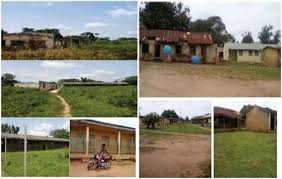
Analyzing the Effectiveness of Public Service Delivery in Rural Versus Urban Areas
Public service delivery plays a vital role in the socioeconomic development of any country, ensuring that citizens have access to essential services such as healthcare, education, transportation, water, and sanitation. However, the effectiveness of these services often varies significantly between rural and urban areas. While urban centers tend to benefit from more developed infrastructure and access to resources, rural areas face unique challenges that hinder the efficient delivery of public services. This blog aims to analyze the factors affecting the effectiveness of public service delivery in both settings, highlighting the disparities and proposing potential solutions to address the gaps.
Looking for help accessing government services in your area? Cyber Mfukoni offers consultation to assist you with any public service needs, whether rural or urban.
Government Services Consultation
Get expert consultation for any government service, application, or process. Personalized guidance f...
1. Introduction
The effectiveness of public service delivery is essential for the functioning of any society. It directly impacts citizens’ quality of life, ensuring their access to necessary services and fostering social equity. The geographic divide between rural and urban areas presents a critical factor influencing how services are delivered. Urban areas, characterized by higher population density, greater infrastructure development, and proximity to government institutions, often have better access to these services. In contrast, rural areas, which may lack sufficient infrastructure, face logistical challenges, and have lower levels of governmental reach, tend to experience service delivery gaps.
This blog will explore the various dimensions of public service delivery in rural and urban areas, looking at differences in service access, quality, and efficiency, while considering both challenges and strategies for improvement.
2. Defining Public Service Delivery
Before diving into the analysis, it's crucial to define what public service delivery entails. Public services refer to the range of services provided by the government to its citizens, including but not limited to:
Healthcare: Hospitals, clinics, and medical treatment services.
Education: Schools, universities, and vocational training.
Transportation: Public transport infrastructure such as roads, trains, and airports.
Water and Sanitation: Clean water access, sewage systems, and waste management.
Security: Policing and emergency services.
Social Welfare: Support programs for vulnerable populations.
Effective public service delivery involves the timely provision of these services, with quality and equitable access for all citizens, regardless of where they live.
3. Characteristics of Urban Areas
Urban areas are typically defined by higher population density, developed infrastructure, better access to resources, and closer proximity to government institutions. These factors contribute to more efficient public service delivery. The following points outline the characteristics of public service delivery in urban areas:
3.1. Better Infrastructure
Urban areas tend to have more developed infrastructure, such as paved roads, hospitals, schools, and public transport systems. This makes the delivery of services such as healthcare, education, and transportation easier and more efficient.
3.2. Proximity to Government Institutions
Urban areas are often home to the headquarters of various government agencies and departments. This proximity facilitates quicker responses to service demands, better access to information, and greater government oversight in service delivery.
3.3. Higher Resource Availability
The concentration of resources in urban areas, including skilled personnel, funding, and technological support, allows for better service delivery. For instance, cities have better healthcare facilities, more schools, and advanced public transport systems compared to rural areas.
3.4. Efficient Communication and Technology
Urban areas are typically more connected, with access to faster internet, mobile networks, and other communication channels. This helps in disseminating information and receiving feedback from citizens regarding service quality and accessibility.
4. Characteristics of Rural Areas
In contrast to urban centers, rural areas often face challenges that hinder effective public service delivery. These include geographical isolation, limited infrastructure, and resource scarcity. Here are the key features of rural service delivery:
4.1. Geographical Barriers
Rural areas often face geographical challenges that make access to services difficult. Poor road networks, especially in remote areas, prevent citizens from easily reaching healthcare facilities, schools, or other government services.
4.2. Limited Infrastructure
Rural areas tend to have less-developed infrastructure, such as inadequate healthcare facilities, schools, and transport networks. This leads to gaps in the availability and quality of essential services like education and healthcare.
4.3. Lack of Skilled Personnel
Rural areas often struggle with attracting and retaining skilled professionals, such as doctors, teachers, and engineers. This leads to suboptimal service delivery, as there are fewer qualified personnel to manage and administer these services effectively.
4.4. Financial Constraints
The financial resources allocated to rural areas for public services are often limited. Budget constraints can affect the provision of essential services, including healthcare, education, and infrastructure development.
4.5. Low Levels of Awareness and Technology Access
Rural communities may have limited access to modern technologies, which can hinder the delivery of services. For example, telemedicine and e-learning are not widely accessible in many rural areas, limiting citizens' access to health consultations and education.
5. Comparative Analysis: Rural vs. Urban Areas
The disparities in public service delivery between rural and urban areas can be attributed to several factors. This section will provide a comparative analysis in the context of key public services.
5.1. Healthcare
Urban Areas: Urban centers have more advanced healthcare facilities, including hospitals, specialized clinics, and better-equipped pharmacies. Citizens have greater access to medical professionals and treatments, and emergency services are more efficient due to proximity and better infrastructure.
Rural Areas: In contrast, rural healthcare services are often understaffed, underfunded, and lack adequate equipment. People in rural areas are forced to travel long distances for medical treatment, and in some cases, they may not even have access to a local healthcare facility.
5.2. Education
Urban Areas: Urban areas typically have more schools, universities, and vocational training centers, offering a wider range of educational opportunities. The availability of trained teachers and better learning resources contributes to higher education standards in cities.
Rural Areas: Rural education systems often suffer from overcrowded classrooms, poorly trained teachers, and a lack of educational materials. Schools may be located far from communities, requiring children to travel long distances to receive education.
5.3. Transportation
Urban Areas: Urban areas generally have better-developed transportation networks, including roads, buses, trains, and airports, facilitating easy mobility for citizens. Public transport systems are often more reliable, affordable, and accessible in cities.
Rural Areas: Rural transportation infrastructure is often limited or poorly maintained. People in rural areas may rely on unreliable or expensive transport options, which can restrict their access to education, healthcare, and other services.
5.4. Water and Sanitation
Urban Areas: Cities typically have better access to clean water and sanitation services. Water supply systems and sewage management are more efficient, reducing the risk of waterborne diseases.
Rural Areas: In rural areas, access to clean water can be a significant challenge. Many communities rely on open wells or rivers, which may be contaminated. Poor sanitation infrastructure also increases health risks.
6. Challenges in Public Service Delivery in Rural Areas
While urban areas benefit from greater resources and infrastructure, rural areas face unique challenges in delivering public services:
6.1. Accessibility and Connectivity
The lack of infrastructure and geographic isolation makes it difficult for rural communities to access services. Roads are often poorly maintained, and public transport is not readily available.
6.2. Resource Allocation
Rural areas often receive a smaller share of government budgets, which affects the availability of essential services. The limited allocation of resources makes it difficult to improve infrastructure and meet the needs of rural populations.
6.3. Bureaucratic Barriers
Rural areas sometimes suffer from inefficiencies in government systems. Due to the lack of local government representation or administrative bottlenecks, the delivery of services can be slow and ineffective.
6.4. Public Awareness
The lack of awareness about available services and the bureaucratic hurdles in accessing them can be a barrier to public service delivery in rural areas.
7. Solutions to Improve Service Delivery in Rural Areas
To bridge the gap in public service delivery between rural and urban areas, several strategies can be implemented:
7.1. Improved Infrastructure Development
Investing in roads, healthcare facilities, schools, and other essential infrastructure in rural areas is crucial for improving service delivery. This could be achieved through public-private partnerships and targeted government initiatives.
7.2. Use of Technology
Technology, such as telemedicine, e-learning, and mobile services, can help address the lack of services in rural areas. Mobile platforms can facilitate access to government services and health consultations.
7.3. Decentralization of Services
Decentralizing government services and empowering local governments can ensure that rural areas receive better attention and more resources for service delivery.
7.4. Incentives for Skilled Personnel
Offering incentives, such as higher salaries or tax breaks, could attract healthcare professionals, teachers, and other skilled workers to rural areas. Providing housing and other perks could also encourage professionals to work in these regions.
8. Conclusion
In conclusion, public service delivery in Kenya varies significantly between rural and urban areas. While urban centers enjoy better access to services due to superior infrastructure, resources, and proximity to government institutions, rural areas face significant challenges related to infrastructure, financial constraints, and access to skilled professionals. Bridging these gaps requires targeted investments in infrastructure, technology, and human resources. By addressing these challenges, Kenya can achieve a more equitable and efficient public service delivery system that meets the needs of all citizens, regardless of their geographic location.
About the author
Julius
IT & E-Government Services Specialist
Julius is a Nairobi-based IT specialist with over a decade of hands-on experience navigating Kenya's digital government platforms — eCitizen, NTSA TIMS, KRA iTax, and the Business Registration Service (BRS). He has helped thousands of individuals and businesses cut through the paperwork to access government services online and writes practical, step-by-step guides drawn from that day-to-day experience.
Related Agency
Consultation Services
Consultation
Professional consultation services for all government processes, applications, and services. Get expert guidance, personalized assistance, and step-by-step support for any government-related matter not covered by standard services.
View Agency ServicesRelated Services
Need Expert Assistance?
Our team can handle the entire application process for you.