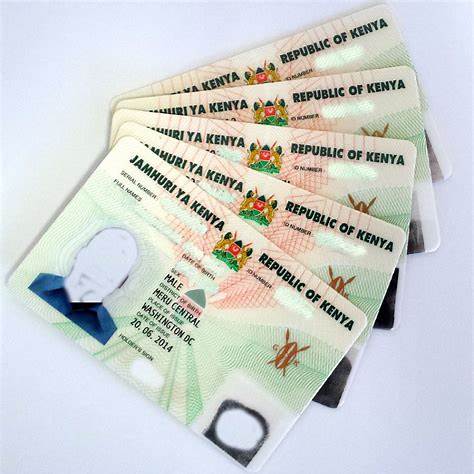
The Evolution of Kenyan IDs: From Old Generation to Huduma Namba and New Generation IDs
Kenya’s identification system has undergone significant transformations over the years, reflecting advancements in technology, changes in governance, and the need for more efficient and secure systems. From the old-generation IDs to the introduction of Huduma Namba and the new-generation digital IDs, the journey has been marked by innovation, challenges, and opportunities. This article explores the evolution of Kenyan IDs, the processes involved, and the impact of these changes on citizens and the government.
Need assistance with your Kenyan ID application or any ID-related government service? Cyber Mfukoni's consultation service is here to guide you through the process.
Government Services Consultation
Get expert consultation for any government service, application, or process. Personalized guidance f...
1. The Old-Generation Kenyan ID
1.1 Introduction to the Old-Generation ID
The old-generation Kenyan ID, often referred to as the "black and white ID," served as the cornerstone of Kenya’s identification system for decades. Issued by the Department of Civil Registration, this ID was a simple laminated card that contained basic personal information, including the holder’s name, date of birth, place of birth, and a unique identification number. For many years, it was the primary document used to verify identity, access government services, and participate in civic activities such as voting.
The old-generation ID was a symbol of citizenship and played a critical role in the daily lives of Kenyans. It was required for opening bank accounts, applying for jobs, and even registering for mobile phone services. Despite its widespread use, the ID was a product of its time, reflecting the technological and administrative limitations of the era. Its simplicity and lack of advanced features eventually became a liability as Kenya’s population grew and the need for a more secure and efficient identification system became apparent.
1.2 The Application Process
The process of acquiring an old-generation ID was manual, labor-intensive, and often fraught with delays. For many Kenyans, especially those in rural areas, obtaining an ID was a significant milestone, but it was not without its challenges. Here’s a step-by-step breakdown of the application process:
Step 1: Visiting the Local Chief’s Office
Applicants had to begin the process by visiting their local chief’s office to obtain an application form. The chief played a crucial role in verifying the applicant’s identity and eligibility. This step was particularly important in rural areas, where community leaders were often the first point of contact for government services.
Step 2: Gathering Supporting Documents
Applicants were required to provide supporting documents to prove their identity and eligibility. These documents typically included:
A birth certificate (if available).
A school leaving certificate (for younger applicants).
A letter from the local chief or a community leader confirming the applicant’s identity and residence.
For many, especially those born at home or in rural areas, obtaining these documents was a challenge in itself. Some applicants had to navigate bureaucratic hurdles to acquire the necessary paperwork, adding to the complexity of the process.
Step 3: Submitting the Application
Once the application form was completed and the supporting documents gathered, the applicant had to submit everything to the District Registration Office. This often required traveling to the nearest town or city, which could be a significant burden for those living in remote areas.
Step 4: Vetting and Approval
After submission, the application underwent a vetting process to verify the information provided. This process could take weeks or even months, depending on the efficiency of the local registration office and the complexity of the applicant’s case. Delays were common, and applicants often had to make multiple trips to follow up on their applications.
Step 5: Issuance of the ID
Once approved, the applicant would be notified to collect their ID from the registration office. The ID was a simple laminated card with basic personal information and a unique identification number. While it served its purpose, the lack of advanced features made it vulnerable to forgery and fraud.
1.3 Challenges of the Old-Generation ID
While the old-generation ID was a critical tool for identification, it was not without its flaws. The system faced several challenges that hindered its effectiveness and accessibility:
1. Manual Processes
The reliance on manual processes for registration, vetting, and issuance led to inefficiencies and delays. Paper-based systems were prone to errors, and the lack of digital records made it difficult to track and manage applications. This often resulted in long wait times and frustration for applicants.
2. Limited Security Features
The old-generation ID lacked advanced security features, making it easy to forge or alter. Counterfeit IDs were a common problem, undermining the integrity of the identification system. This posed significant risks, particularly in areas such as voting, where fake IDs could be used to manipulate elections.
3. Inaccessibility
Rural areas faced significant challenges in accessing registration services. The lack of registration offices in remote regions meant that many applicants had to travel long distances to submit their applications. This was particularly burdensome for low-income families who could not afford the cost of transportation.
4. Lack of Integration
The old-generation ID was not integrated with other government systems, limiting its functionality. For example, it could not be used to access digital services or verify identity online. This lack of integration became increasingly problematic as Kenya moved toward a more digital economy.
5. Exclusion of Marginalized Groups
Certain groups, such as women, the elderly, and people with disabilities, often faced additional barriers in obtaining an ID. For example, women who had changed their names after marriage sometimes struggled to prove their identity, while the elderly faced challenges in navigating the bureaucratic process.
2. The Huduma Namba Initiative
2.1 Introduction to Huduma Namba
In 2019, the Kenyan government launched the Huduma Namba initiative, a groundbreaking biometric-based digital identification system aimed at revolutionizing how citizens and residents access government services. The term Huduma Namba translates to "Service Number," reflecting its purpose as a unique identifier designed to streamline service delivery, enhance security, and create a centralized database of all individuals in Kenya.
The Huduma Namba initiative was part of the government’s broader vision to digitize public services and improve efficiency. By assigning a unique number to every citizen and resident, the government aimed to eliminate duplication, reduce fraud, and create a more integrated and accessible system for service delivery. The initiative also sought to address the limitations of the old-generation ID system, which relied on manual processes and lacked advanced security features.
Huduma Namba was more than just an identification number; it was envisioned as a key to unlocking a wide range of services, including healthcare, education, social welfare, and financial inclusion. However, the initiative was not without its challenges and controversies, which shaped its rollout and public perception.
2.2 The Registration Process
The Huduma Namba registration process was a massive undertaking that involved millions of Kenyans. Here’s a detailed look at how the process unfolded:
Step 1: Mass Registration Drives
The government launched nationwide mass registration drives, setting up designated centers in schools, community halls, and other public spaces. Citizens were required to visit these centers to enroll in the program. The registration drives were accompanied by extensive public awareness campaigns to encourage participation.
Step 2: Collection of Biometric Data
At the registration centers, applicants provided their personal information and underwent biometric data capture. This included:
Fingerprints: All ten fingerprints were scanned to ensure accuracy.
Facial Recognition: High-resolution photographs were taken for facial recognition.
Iris Scans: In some cases, iris scans were also captured to enhance the uniqueness of the biometric data.
Step 3: Linking Personal Information
The collected biometric data was linked to the applicant’s personal information, including their name, date of birth, and place of residence. This information was then assigned a unique Huduma Namba, which served as the individual’s identifier in the centralized database.
Step 4: Issuance of the Huduma Card
After successful registration, applicants were issued a Huduma Card, a smart card containing their unique Huduma Namba and basic personal information. The card was designed to be used for accessing government services, verifying identity, and linking to other digital platforms.
2.3 Benefits of Huduma Namba
The Huduma Namba initiative promised numerous benefits for both the government and citizens. Here are some of the key advantages:
1. Centralized Database
The creation of a centralized database improved efficiency in service delivery and resource allocation. Government agencies could access accurate and up-to-date information, reducing duplication and waste.
2. Enhanced Security
The use of biometric data significantly reduced the risk of identity theft and fraud. Unlike traditional IDs, which could be easily forged, the Huduma Namba system relied on unique biological traits that were nearly impossible to replicate.
3. Convenience
The Huduma Namba served as a single identifier for accessing a wide range of government services. This eliminated the need for multiple documents and simplified processes such as applying for passports, driver’s licenses, and social welfare programs.
4. Financial Inclusion
The Huduma Namba was expected to play a key role in promoting financial inclusion by providing a secure and verifiable identity for opening bank accounts and accessing credit.
5. Improved Planning and Governance
The centralized database enabled better planning and decision-making by providing accurate demographic data. This was particularly useful for resource allocation, disaster response, and policy formulation.
2.4 Challenges and Controversies
Despite its potential benefits, the Huduma Namba initiative faced significant challenges and controversies that hindered its rollout and public acceptance.
1. Privacy Concerns
One of the most significant criticisms of Huduma Namba was the lack of a comprehensive legal framework to protect citizens’ data. Critics raised concerns about the potential misuse of biometric data for surveillance, discrimination, or unauthorized access. The absence of clear guidelines on data storage, access, and sharing fueled public mistrust.
2. Legal Hurdles
In May 2019, the High Court of Kenya suspended the rollout of Huduma Namba, citing the lack of a data protection law. The court ruled that the government could not make the registration mandatory until a legal framework was in place. This decision delayed the implementation of the program and highlighted the need for stronger data protection measures.
3. Public Resistance
Some citizens were reluctant to participate in the registration process due to mistrust and misinformation. Rumors about the misuse of biometric data and fears of exclusion from government services further dampened public enthusiasm.
4. Logistical Challenges
The mass registration drives faced logistical challenges, including delays, technical glitches, and insufficient resources. In some areas, registration centers were overcrowded, leading to long wait times and frustration among applicants.
5. Exclusion of Marginalized Groups
Certain groups, such as the elderly, people with disabilities, and those in remote areas, faced difficulties in accessing registration centers. This raised concerns about the inclusivity of the program and its ability to serve all citizens equally.
3. The New-Generation Digital ID
3.1 Introduction to the New-Generation ID
Building on the lessons learned from the Huduma Namba initiative, the Kenyan government introduced the new-generation digital ID, a state-of-the-art identification system designed to address the shortcomings of previous systems. This advanced ID incorporates cutting-edge technology and security features, making it a cornerstone of Kenya’s digital transformation agenda.
The new-generation ID is more than just an identification card; it is a multi-functional tool that integrates with various government and private sector services. From voting and healthcare to financial services and e-commerce, the new ID is designed to simplify and secure interactions between citizens and service providers. By leveraging biometric data and microchip technology, the new-generation ID aims to eliminate fraud, enhance efficiency, and promote inclusivity.
This initiative reflects Kenya’s commitment to embracing digital innovation and creating a more connected and secure society. However, its success depends on addressing key challenges such as the digital divide, public awareness, and sustainability.
3.2 Key Features of the New-Generation ID
The new-generation digital ID is packed with advanced features that set it apart from its predecessors. Here are some of its key characteristics:
1. Biometric Data
The new ID incorporates fingerprints, facial recognition, and iris scans to ensure accurate and secure identification. These biometric features make it nearly impossible to forge or duplicate the ID, significantly reducing the risk of identity theft and fraud.
2. Microchip Technology
A secure microchip embedded in the ID stores personal information, including biometric data and identification details. This chip enhances security by encrypting data and preventing unauthorized access.
3. Multi-Purpose Use
The new-generation ID is designed to serve multiple functions, including:
Voting: Streamlining voter registration and verification processes.
Healthcare: Facilitating access to medical services and records.
Financial Services: Enabling secure and seamless transactions.
Government Services: Simplifying access to social welfare programs, driver’s licenses, and passports.
4. Digital Integration
The ID is integrated with digital platforms, allowing citizens to access services online through the eCitizen portal and other government platforms. This integration promotes efficiency and convenience, reducing the need for physical visits to government offices.
5. Enhanced Durability
The new ID is made from durable materials to withstand wear and tear, ensuring it remains functional for its entire validity period.
3.3 The Application Process
The process of acquiring the new-generation ID is more streamlined and digital compared to previous systems. Here’s a step-by-step breakdown:
Step 1: Online Pre-Registration
Applicants begin by registering online through the eCitizen portal. This involves filling out a digital form and providing basic personal information.
Step 2: Visiting a Registration Center
After pre-registering online, applicants visit a designated registration center to complete the process. At the center, their biometric data (fingerprints, facial recognition, and iris scans) is captured.
Step 3: Verification and Issuance
The captured data is verified against existing records to ensure accuracy. Once verified, the ID is processed and issued within a shorter timeframe compared to previous systems.
Step 4: Activation and Use
The new-generation ID is activated upon issuance and can be used immediately to access government and private sector services.
3.4 Benefits of the New-Generation ID
The new-generation digital ID offers numerous benefits for both citizens and the government. Here are some of the key advantages:
1. Enhanced Security
The use of biometric data and microchip technology significantly reduces the risk of forgery and identity theft. This makes the new ID one of the most secure identification systems in the region.
2. Improved Efficiency
The streamlined application process and digital integration reduce wait times and bureaucratic hurdles. Citizens can access services faster and more conveniently.
3. Seamless Integration
The new ID is designed to work seamlessly with various government and private sector platforms, promoting interoperability and simplifying service delivery.
4. Financial Inclusion
By providing a secure and verifiable identity, the new ID enables more Kenyans to access financial services, including bank accounts, loans, and mobile money platforms.
5. Better Governance
The centralized database improves planning, resource allocation, and decision-making by providing accurate and up-to-date demographic data.
3.5 Challenges and Future Prospects
While the new-generation digital ID holds great promise, it also faces several challenges that must be addressed to ensure its success and sustainability.
1. Digital Divide
Many Kenyans, particularly those in rural areas, lack access to the technology and infrastructure needed to fully benefit from the new ID. Limited internet connectivity, electricity, and digital literacy are significant barriers.
Solutions:
Expand internet and electricity coverage to underserved areas.
Launch digital literacy programs to equip citizens with the skills to use the new ID.
Provide affordable smartphones and other digital devices.
2. Public Awareness
Many citizens are unaware of the benefits and usage of the new-generation ID. This lack of awareness can lead to low adoption rates and mistrust.
Solutions:
Conduct nationwide public awareness campaigns using radio, TV, social media, and community outreach.
Partner with local leaders and influencers to spread the message.
Provide clear and simple instructions on how to use the new ID.
3. Sustainability
Ensuring the long-term sustainability of the new ID system requires ongoing investment in technology, infrastructure, and human resources.
Solutions:
Regularly update the system to incorporate the latest technological advancements.
Train government staff to manage and maintain the system effectively.
Establish partnerships with private sector players to share resources and expertise.
4. Data Privacy and Security
The collection and storage of biometric data raise concerns about privacy and security. Without robust safeguards, the system could be vulnerable to cyberattacks and misuse.
Solutions:
Strengthen data protection laws and enforcement mechanisms.
Implement advanced cybersecurity measures, such as encryption and multi-factor authentication.
Establish an independent oversight body to monitor data usage and address privacy concerns.
4. The Impact of Kenya’s Evolving ID System
The evolution of Kenya’s identification system, from the old-generation ID to Huduma Namba and now the new-generation digital ID, has had far-reaching impacts on governance, citizens, and the economy. Let’s explore these impacts in detail.
4.1 On Governance and Service Delivery
The introduction of advanced identification systems has significantly improved governance and service delivery in Kenya. The creation of a centralized database has enabled the government to streamline processes, reduce duplication, and enhance efficiency.
Better Planning and Resource Allocation: Accurate demographic data allows the government to identify needs, allocate resources effectively, and monitor the implementation of programs. For example, social welfare programs can now target beneficiaries more precisely, reducing waste and ensuring that aid reaches those who need it most.
Enhanced Monitoring and Accountability: The centralized database enables real-time monitoring of government services, reducing corruption and improving transparency.
Streamlined Processes: Digital integration has reduced bureaucracy, making it easier for citizens to access services such as healthcare, education, and social welfare.
These improvements have strengthened public trust in government institutions and laid the foundation for a more efficient and responsive administration.
4.2 On Citizens
For citizens, the evolution of Kenya’s ID system has brought both benefits and challenges.
Faster and More Efficient Services: The new-generation digital ID has reduced wait times and simplified processes, making it easier for citizens to access government and private sector services.
Enhanced Security: Biometric data and advanced security features have reduced the risk of identity theft and fraud, providing citizens with greater peace of mind.
Reduced Bureaucracy: Digital integration has minimized the need for physical visits to government offices, saving time and resources.
However, challenges such as data privacy concerns and accessibility issues remain. Some citizens, particularly those in rural areas, still face barriers in accessing the new ID system due to limited infrastructure and digital literacy. Addressing these challenges is crucial to ensuring that all citizens benefit from the system.
4.3 On the Economy
A robust identification system has had a transformative impact on Kenya’s economy.
Financial Inclusion: The new-generation ID has enabled more Kenyans, especially those in underserved areas, to access financial services such as bank accounts, loans, and mobile money platforms. This has promoted economic empowerment and reduced poverty.
E-Commerce Growth: A secure and verifiable identity system has boosted confidence in online transactions, driving the growth of e-commerce and digital businesses.
Formalization of the Economy: By providing a clear and verifiable identity, the new ID system has helped bring more individuals and businesses into the formal economy, increasing tax revenues and promoting economic stability.
Global Competitiveness: The adoption of advanced identification technology has positioned Kenya as a leader in digital innovation, attracting investment and enhancing its global competitiveness.
5. The Road Ahead: Challenges and Opportunities
As Kenya continues to modernize its identification system, several challenges and opportunities must be addressed to ensure the success and sustainability of the new-generation digital ID. These include addressing privacy concerns, bridging the digital divide, leveraging technology, and conducting public awareness campaigns. Let’s explore each of these areas in detail.
5.1 Addressing Privacy Concerns
The introduction of advanced identification systems like Huduma Namba and the new-generation digital ID has raised significant privacy concerns among citizens. The collection and storage of biometric data, such as fingerprints, facial recognition, and iris scans, have sparked debates about data security and potential misuse.
Why Privacy Matters
Data Sensitivity: Biometric data is highly sensitive and, unlike passwords or PINs, cannot be changed if compromised.
Risk of Misuse: Without proper safeguards, personal data could be used for surveillance, discrimination, or unauthorized access to services.
Public Trust: Addressing privacy concerns is crucial for gaining public trust and encouraging widespread adoption of the new ID system.
Steps to Address Privacy Concerns
Comprehensive Legal Framework:
The government must enact robust data protection laws to regulate the collection, storage, and use of personal data. The Data Protection Act 2019 was a step in the right direction, but its implementation and enforcement need to be strengthened.Independent Oversight:
Establishing an independent body to oversee data protection and privacy issues can help ensure accountability and transparency.Data Encryption and Security:
Advanced encryption technologies should be used to secure biometric data and prevent unauthorized access. Regular security audits and updates are essential to stay ahead of cyber threats.Public Awareness:
Educating citizens about their data rights and how their information will be used can help alleviate fears and build trust.Transparency:
The government should be transparent about how data is collected, stored, and shared. Clear policies and guidelines should be made accessible to the public.
By addressing these privacy concerns, Kenya can create a secure and trustworthy identification system that benefits all citizens.
5.2 Bridging the Digital Divide
While the new-generation digital ID promises numerous benefits, its success depends on ensuring that all citizens, including those in rural and marginalized areas, can access and use the system effectively.
Challenges in Bridging the Digital Divide
Limited Infrastructure: Many rural areas lack reliable internet connectivity and electricity, making it difficult to access digital services.
Low Digital Literacy: A significant portion of the population, especially older adults, may lack the skills to use digital platforms.
Economic Barriers: The cost of smartphones and other digital devices can be prohibitive for low-income households.
Strategies to Bridge the Gap
Infrastructure Development:
The government should invest in expanding internet connectivity and electricity to underserved areas. Partnerships with private sector players can accelerate this process.Digital Literacy Programs:
Training programs should be rolled out to equip citizens with the skills needed to navigate digital platforms. Community-based initiatives can help reach remote areas.Affordable Devices:
Subsidies or financing options can make smartphones and other digital devices more accessible to low-income households.Localized Solutions:
Mobile registration units can be deployed to rural areas to ensure that everyone can enroll in the new ID system.Inclusive Design:
The digital ID system should be designed with inclusivity in mind, ensuring that it is user-friendly and accessible to people with disabilities.
By bridging the digital divide, Kenya can ensure that the benefits of the new-generation ID are shared equitably across all segments of society.
5.3 Leveraging Technology
The success of Kenya’s new-generation digital ID system depends on its ability to leverage cutting-edge technology to enhance security, functionality, and user experience.
Key Technological Innovations
Blockchain Technology:
Blockchain can be used to create a decentralized and tamper-proof database for storing biometric data, reducing the risk of fraud and unauthorized access.Artificial Intelligence (AI):
AI can enhance the accuracy of biometric verification and streamline the registration process. It can also be used to detect and prevent fraudulent activities.Cloud Computing:
Cloud-based systems can improve the scalability and accessibility of the ID system, allowing citizens to access their data from anywhere.Mobile Integration:
Integrating the digital ID with mobile platforms can make it easier for citizens to access services and verify their identity on the go.Cybersecurity Measures:
Advanced cybersecurity protocols, such as multi-factor authentication and real-time monitoring, can protect the system from cyberattacks and data breaches.
Benefits of Leveraging Technology
Enhanced Security: Advanced technologies can significantly reduce the risk of identity theft and fraud.
Improved Efficiency: Automation and AI can streamline processes, reducing wait times and improving service delivery.
Scalability: Cloud-based systems can accommodate growing user numbers without compromising performance.
By investing in these technologies, Kenya can create a world-class identification system that meets the needs of its citizens and sets a benchmark for other countries.
5.4 Public Awareness Campaigns
Public awareness is critical to the success of the new-generation digital ID system. Many citizens may be hesitant to adopt the new ID due to a lack of understanding or mistrust.
Why Public Awareness Matters
Adoption Rates: High adoption rates are essential for the system to achieve its intended benefits.
Trust Building: Educating citizens about the system’s benefits and safeguards can help build trust and encourage participation.
Reducing Misinformation: Clear and accurate information can counter misinformation and rumors that may deter people from enrolling.
Strategies for Effective Awareness Campaigns
Multi-Channel Approach:
Use a combination of traditional media (radio, TV, newspapers) and digital platforms (social media, websites) to reach a wide audience.Community Engagement:
Work with local leaders, community organizations, and influencers to spread the message at the grassroots level.Simplified Messaging:
Use simple, clear, and relatable language to explain the benefits and usage of the new ID.Demonstrations and Workshops:
Organize live demonstrations and workshops to show citizens how to use the new ID and access services.Feedback Mechanisms:
Provide channels for citizens to ask questions, share concerns, and provide feedback.
By conducting effective public awareness campaigns, the government can ensure that all citizens understand and embrace the new-generation digital ID system.
Conclusion
The evolution of Kenyan IDs from the old-generation laminated cards to the advanced new-generation digital IDs reflects Kenya’s commitment to innovation and progress. While challenges remain, the benefits of a secure, efficient, and integrated identification system are undeniable. As Kenya continues to embrace digital transformation, its ID system will play a crucial role in shaping the country’s future.
About the author
Julius
IT & E-Government Services Specialist
Julius is a Nairobi-based IT specialist with over a decade of hands-on experience navigating Kenya's digital government platforms — eCitizen, NTSA TIMS, KRA iTax, and the Business Registration Service (BRS). He has helped thousands of individuals and businesses cut through the paperwork to access government services online and writes practical, step-by-step guides drawn from that day-to-day experience.
Related Agency
Consultation Services
Consultation
Professional consultation services for all government processes, applications, and services. Get expert guidance, personalized assistance, and step-by-step support for any government-related matter not covered by standard services.
View Agency ServicesRelated Services
Need Expert Assistance?
Our team can handle the entire application process for you.