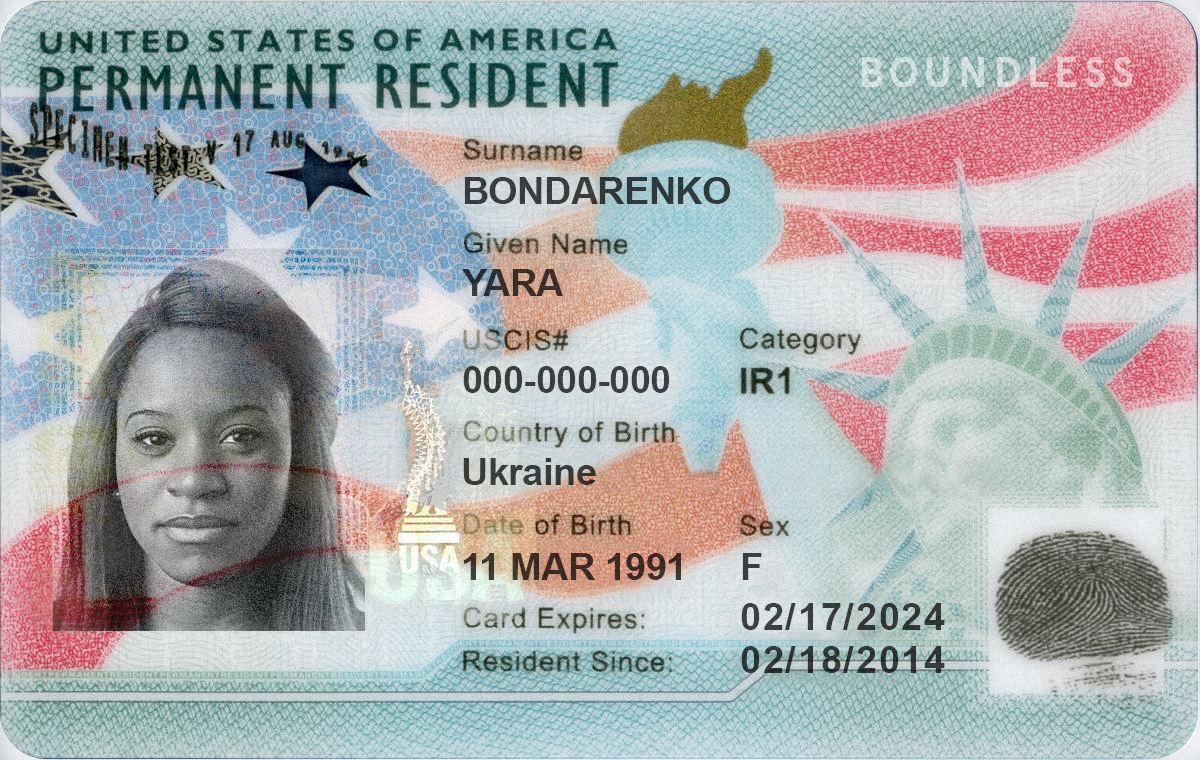
How to Apply for a Green Card in Kenya: A Comprehensive Guide
The United States is a land of opportunity, attracting millions of people worldwide who seek better education, employment, and quality of life. For Kenyans, obtaining a Green Card (officially known as a Permanent Resident Card) is a dream come true, as it grants the holder the right to live and work permanently in the U.S. However, the process of applying for a Green Card can be complex and overwhelming. This guide will walk you through everything you need to know about how to apply for a Green Card in Kenya, including eligibility requirements, application steps, and tips to increase your chances of success.
Applying for a Green Card can be overwhelming. Get expert guidance from our consultation team to navigate the process with confidence.
Government Services Consultation
Get expert consultation for any government service, application, or process. Personalized guidance f...
What is a Green Card?
A Green Card is an identification card issued by the U.S. government to foreign nationals, granting them permanent residency in the United States. With a Green Card, you can live, work, and study in the U.S. indefinitely. You also gain access to certain benefits, such as social security, healthcare, and the ability to sponsor family members for Green Cards. However, it’s important to note that a Green Card does not grant U.S. citizenship, though it is a step toward naturalization.
Eligibility Requirements for a Green Card
Before applying for a Green Card, you must determine if you are eligible. The U.S. Citizenship and Immigration Services (USCIS) offers several pathways to obtain a Green Card. Below are the most common categories:
1. Family-Sponsored Green Card
If you have a close family member who is a U.S. citizen or Green Card holder, they may sponsor your application. Eligible relatives include:
Spouses
Parents
Children (unmarried and under 21)
Siblings (if the sponsor is a U.S. citizen)
2. Employment-Based Green Card
If you have a job offer from a U.S. employer, they may sponsor your Green Card. This category is divided into five preference levels:
EB-1: Priority workers (e.g., individuals with extraordinary abilities, professors, researchers, and multinational executives).
EB-2: Professionals with advanced degrees or exceptional abilities.
EB-3: Skilled workers, professionals, and other workers.
EB-4: Special immigrants (e.g., religious workers, translators, and Afghan/Iraqi nationals who worked with the U.S. government).
EB-5: Immigrant investors who invest at least $900,000 in a U.S. business and create jobs for American workers.
3. Diversity Visa (DV) Lottery
The U.S. government conducts an annual Diversity Visa Lottery, which randomly selects applicants from countries with low immigration rates to the U.S. Kenya is eligible for the DV Lottery, making it a popular option for many Kenyans.
4. Refugee or Asylee Status
If you have been granted refugee or asylee status in the U.S., you may be eligible to apply for a Green Card after one year of residence.
5. Other Categories
Other pathways include:
Victims of abuse or crime (e.g., VAWA self-petitioners).
Special programs for Afghan and Iraqi nationals.
Long-term residents under the Nicaraguan and Central American Relief Act (NACARA).
Step-by-Step Guide to Applying for a Green Card in Kenya
The application process for a Green Card varies depending on the category you are applying under. Below is a general step-by-step guide:
Step 1: Determine Your Eligibility
Identify which category you qualify for (family-sponsored, employment-based, DV Lottery, etc.).
Gather all necessary documents to prove your eligibility (e.g., birth certificates, marriage certificates, employment letters, etc.).
Step 2: File the Appropriate Petition
For family-sponsored and employment-based Green Cards, your sponsor (family member or employer) must file a petition on your behalf. The most common forms are:
Form I-130 (Petition for Alien Relative) for family-sponsored Green Cards.
Form I-140 (Immigrant Petition for Alien Worker) for employment-based Green Cards.
For the DV Lottery, you must submit an online application during the registration period (usually in October).
Step 3: Wait for Visa Availability
After your petition is approved, you must wait for a visa to become available. The waiting time depends on your category and country of origin. You can check the Visa Bulletin published monthly by the U.S. Department of State to track your priority date.
Step 4: Complete Form DS-260
Once a visa is available, you must complete Form DS-260 (Immigrant Visa Application) online. This form collects your personal information, travel history, and background details.
Step 5: Pay the Required Fees
Pay the visa application fee and any other associated costs. The fees vary depending on the category and your age.
Step 6: Attend a Medical Examination
Schedule a medical examination with a U.S. Embassy-approved physician in Kenya. The exam includes a physical check-up, vaccinations, and tests for communicable diseases.
Step 7: Gather Supporting Documents
Collect all required documents, such as:
Birth certificate
Police clearance certificate
Affidavit of support (Form I-864)
Medical examination results
Proof of financial stability
Step 8: Attend the Visa Interview
Schedule and attend an interview at the U.S. Embassy in Nairobi. During the interview, a consular officer will ask questions about your application and background. Be prepared to provide honest and concise answers.
Step 9: Receive a Decision
After the interview, the consular officer will inform you of their decision. If approved, your visa will be stamped in your passport, and you will receive a sealed packet to present at the U.S. port of entry.
Step 10: Travel to the U.S. and Receive Your Green Card
Upon arrival in the U.S., a Customs and Border Protection (CBP) officer will review your documents and admit you as a permanent resident. Your Green Card will be mailed to your U.S. address within a few weeks.
Tips to Increase Your Chances of Success
Start Early: The Green Card process can take months or even years, so begin as soon as possible.
Be Accurate: Ensure all forms are filled out correctly and all documents are authentic.
Prepare for the Interview: Practice answering common interview questions and bring all required documents.
Seek Legal Advice: If you’re unsure about any part of the process, consult an immigration attorney.
Stay Informed: Keep up with changes in U.S. immigration policies and procedures.
Common Challenges and How to Overcome Them
Long Waiting Times: Some categories, like family-sponsored Green Cards, have long waiting periods. Be patient and monitor the Visa Bulletin regularly.
Documentation Issues: Missing or incorrect documents can delay your application. Double-check all requirements before submitting.
Financial Constraints: The application process can be expensive. Plan your finances carefully and explore payment options.
Language Barriers: If you’re not fluent in English, consider hiring a translator or interpreter for the interview.
Frequently Asked Questions (FAQs)
1. How long does it take to get a Green Card in Kenya?
The processing time varies depending on the category and your individual circumstances. It can take anywhere from a few months to several years.
2. Can I apply for a Green Card without a sponsor?
Yes, through the DV Lottery or if you qualify under other categories like asylum or special immigrant status.
3. What is the cost of applying for a Green Card?
The total cost can range from 1,000to1,000to4,000, including filing fees, medical exams, and other expenses.
4. Can I work in the U.S. while waiting for my Green Card?
You may be eligible for a work permit (EAD) while your application is being processed.
5. What happens if my Green Card application is denied?
You may appeal the decision or reapply, depending on the reason for denial.
Conclusion
Applying for a Green Card in Kenya is a life-changing opportunity that requires careful planning and preparation. By understanding the eligibility requirements, following the application steps, and seeking professional guidance when needed, you can increase your chances of success. Whether you’re pursuing a family-sponsored, employment-based, or DV Lottery Green Card, this guide provides the essential information to help you navigate the process with confidence. Start your journey today and take the first step toward achieving your American dream!
Meta Description: Learn how to apply for a Green Card in Kenya with this comprehensive guide. Discover eligibility requirements, application steps, and tips to increase your chances of success.
Keywords: apply for Green Card in Kenya, Green Card application process, Green Card eligibility, DV Lottery Kenya, U.S. Embassy Nairobi, family-sponsored Green Card, employment-based Green Card, immigration attorney Kenya, U.S. visa interview tips, Green Card fees, U.S. permanent residency.
About the author
Julius
IT & E-Government Services Specialist
Julius is a Nairobi-based IT specialist with over a decade of hands-on experience navigating Kenya's digital government platforms — eCitizen, NTSA TIMS, KRA iTax, and the Business Registration Service (BRS). He has helped thousands of individuals and businesses cut through the paperwork to access government services online and writes practical, step-by-step guides drawn from that day-to-day experience.
Related Agency
DIS - Directorate of Immigration Services
DIS
We provide professional online immigration services including passport applications, e-visa processing, work permits, dual citizenship, and alien card registration. Fast, reliable assistance for all your immigration needs.
View Agency ServicesRelated Services
Need Expert Assistance?
Our team can handle the entire application process for you.